





Understanding Paid Ads
Paid advertising, including Google Ads, Facebook Ads, and Instagram Ads, offers immediate visibility and a predictable flow of leads. These platforms allow you to target patients searching for dental services in your area with high intent. For example, someone searching for “emergency dentist near me” is actively looking to book an appointment, making paid search campaigns extremely effective for immediate conversions.
With paid ads, you can set a budget, target by location, age, interests, and even retarget website visitors who haven’t booked yet. Ad extensions, including call buttons, location, and appointment links, enhance engagement. Tools like Google Ads Manager or Meta Ads Manager allow detailed tracking of performance metrics, enabling you to optimize campaigns based on cost per acquisition and ROI.
Understanding Organic SEO
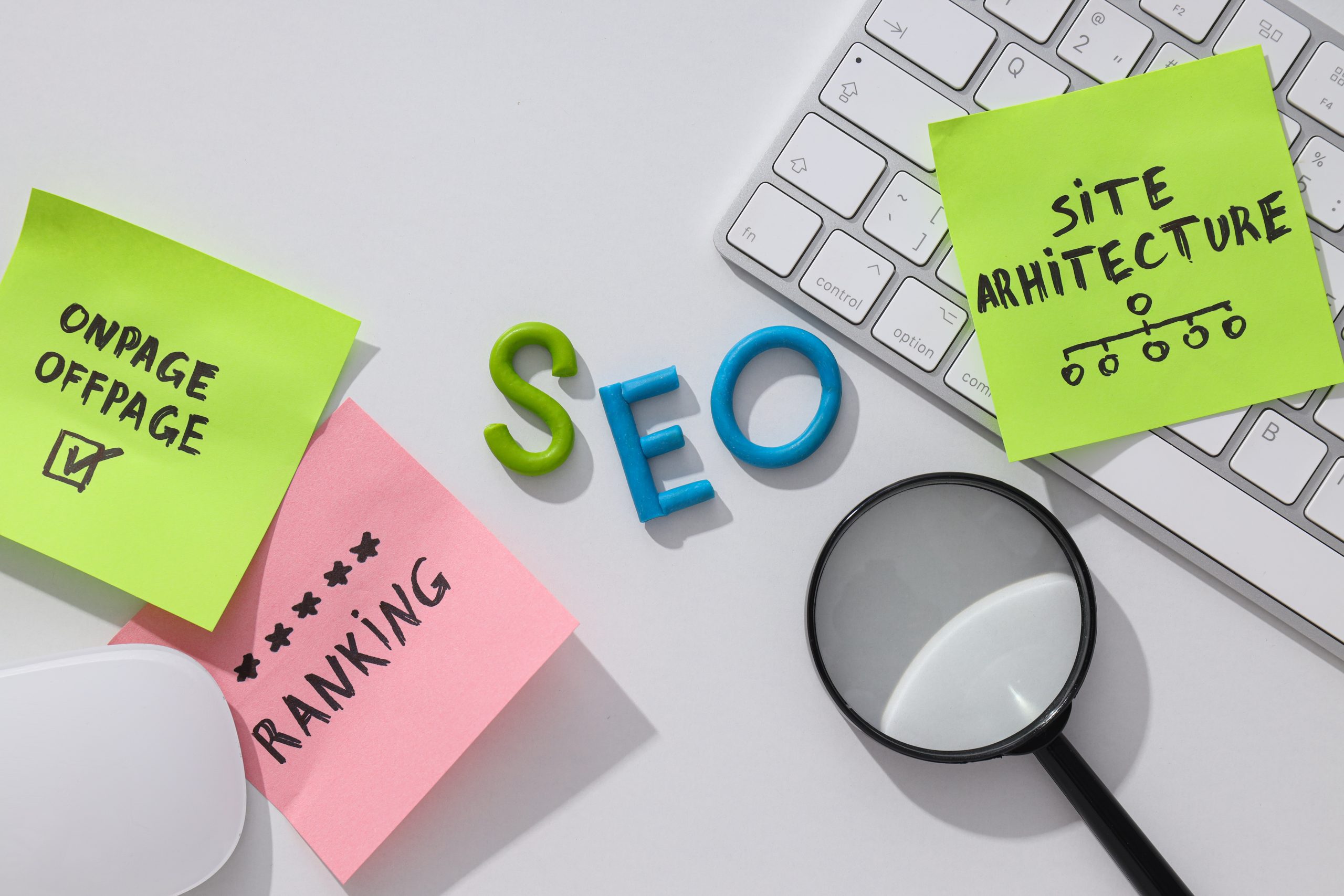
Organic SEO is the long-term strategy of optimizing your website so it ranks high in search engine results. It involves optimizing website content, building backlinks, and ensuring technical aspects like mobile-friendliness and fast loading times are in place. SEO builds authority and trust, which encourages patients to choose your practice over competitors.
Local SEO is critical for dental practices. Use local keywords such as “dentist in [City]” or “pediatric dentist near me” and claim listings on platforms like Google Business Profile, Bing Places, and Yelp. Regularly update your blog and website with valuable content to boost your organic rankings. SEO is cost-effective over time and provides sustained results, attracting patients without ongoing ad spend.
Pros and Cons
- Paid Ads: Pros – fast results, precise targeting, measurable ROI. Cons – can be expensive, leads stop when ads stop.
- SEO: Pros – sustainable, builds authority, cost-effective long-term. Cons – slower results, requires consistent content creation and technical updates.
Integrating Both Strategies
The most effective approach combines paid ads with organic SEO. Use paid ads for immediate lead generation, targeting high-intent searches and promoting seasonal campaigns. Simultaneously, invest in SEO to build credibility and attract consistent long-term traffic. By tracking both channels using tools like Google Analytics, SEMrush, or Ahrefs, you can optimize marketing spend and maximize patient acquisition.
Conclusion
Paid ads provide instant results, while SEO builds long-term visibility and trust. For dental practices, the most effective approach leverages both. Paid campaigns attract immediate appointments, while strong SEO ensures sustainable patient acquisition, ultimately creating a well-rounded, highly effective marketing strategy.