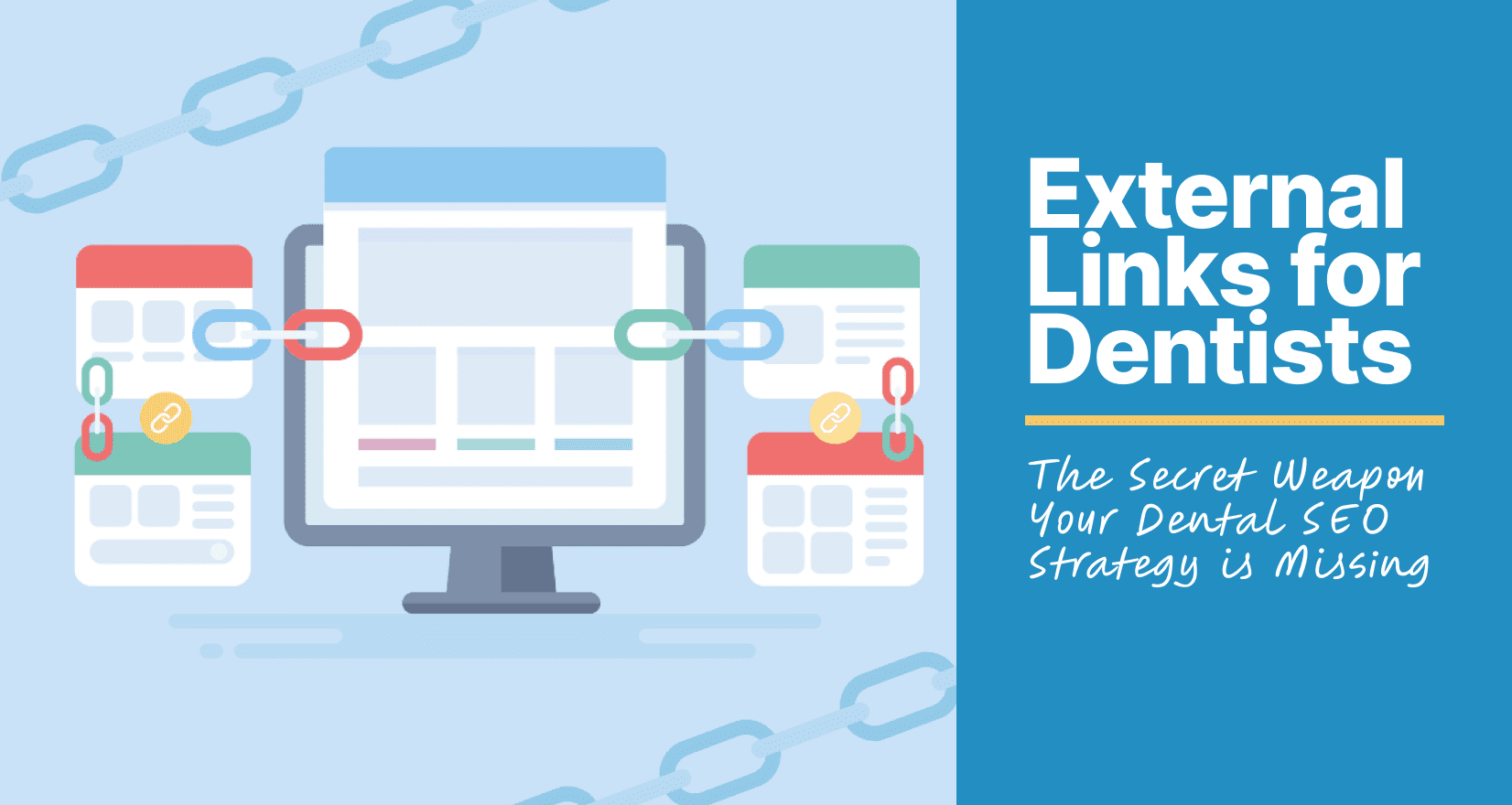








In dental SEO, backlinks are one of the most powerful ways to improve your search rankings—but not all links are equal. Low-quality or spammy backlinks can hurt your visibility, while high-quality, relevant links can elevate your practice above local competitors. Understanding what works—and what doesn’t—is key to a successful SEO strategy.
What Works: High-Quality Backlinks
1. Local Partnerships and Community Links
- Collaborate with nearby businesses, schools, or healthcare providers for content or sponsorship mentions
- Sponsor local events or charity programs and get featured on their websites
- Guest blog on local websites or community newsletters
Why it works: Google values locally relevant links that show your practice is trusted in the community.
2. Dental and Health Industry Sites
- Contribute guest posts to authoritative dental blogs, medical publications, or professional associations
- Get listed on dental directories like ADA, Healthgrades, Zocdoc, or local dental societies
Why it works: Industry-relevant backlinks signal expertise and authority to search engines.
3. Educational and Informational Content
- Create shareable guides, infographics, and videos about dental care
- Reach out to parenting blogs, wellness websites, or health forums to feature your content
Why it works: High-value content earns natural backlinks and positions your practice as a trusted source.
4. Media and Press Mentions
- Engage with local newspapers, magazines, or online news outlets
- Issue press releases for new services, community initiatives, or awards
Why it works: Media mentions provide authoritative, high-visibility backlinks and enhance your local reputation.
What Doesn’t Work: Low-Quality or Risky Backlinks
1. Paid Link Schemes
- Buying links from low-quality networks or directories
- Participating in “link farms” or spammy exchange programs
Why it fails: Google can penalize websites for unnatural links, harming your rankings.
2. Irrelevant Backlinks
- Links from unrelated industries or websites with no dental or local relevance
- Generic directory submissions without authority
Why it fails: Relevance matters. Irrelevant links don’t build authority and may dilute your SEO efforts.
3. Over-Optimized Anchor Text
- Using exact-match keywords excessively in backlinks
- Artificial or repetitive link patterns
Why it fails: Google may flag over-optimized anchor text as manipulative, which can lower rankings.
Best Practices for Dental Backlinking
- Focus on quality over quantity—one authoritative, relevant link beats dozens of weak links.
- Diversify link sources: local, industry, educational, and media.
- Ensure backlinks are contextually relevant and natural within content.
- Track your backlink profile regularly using tools like Ahrefs, SEMrush, or Google Search Console.
Final Takeaway
High-quality backlinks are essential for dental SEO and local search dominance. Focus on relevant, authoritative links from local partners, dental and healthcare sites, educational content, and media mentions. Avoid spammy, irrelevant, or over-optimized links—they can hurt your rankings more than help. Done right, backlinks can significantly boost your visibility, credibility, and patient growth.