







Conduct a Comprehensive Site Audit
Start by performing a full technical SEO audit of your dental website to identify existing issues that may hinder your search rankings. Check for broken links, crawl errors, duplicate content, and ensure your website is accessible across all devices. Use tools like Google Search Console and SEMrush to gather insights on your site’s health. Addressing these foundational issues creates a solid base for improved SEO performance and ensures that search engines can crawl and index your website efficiently.
Optimize Website Speed and Performance
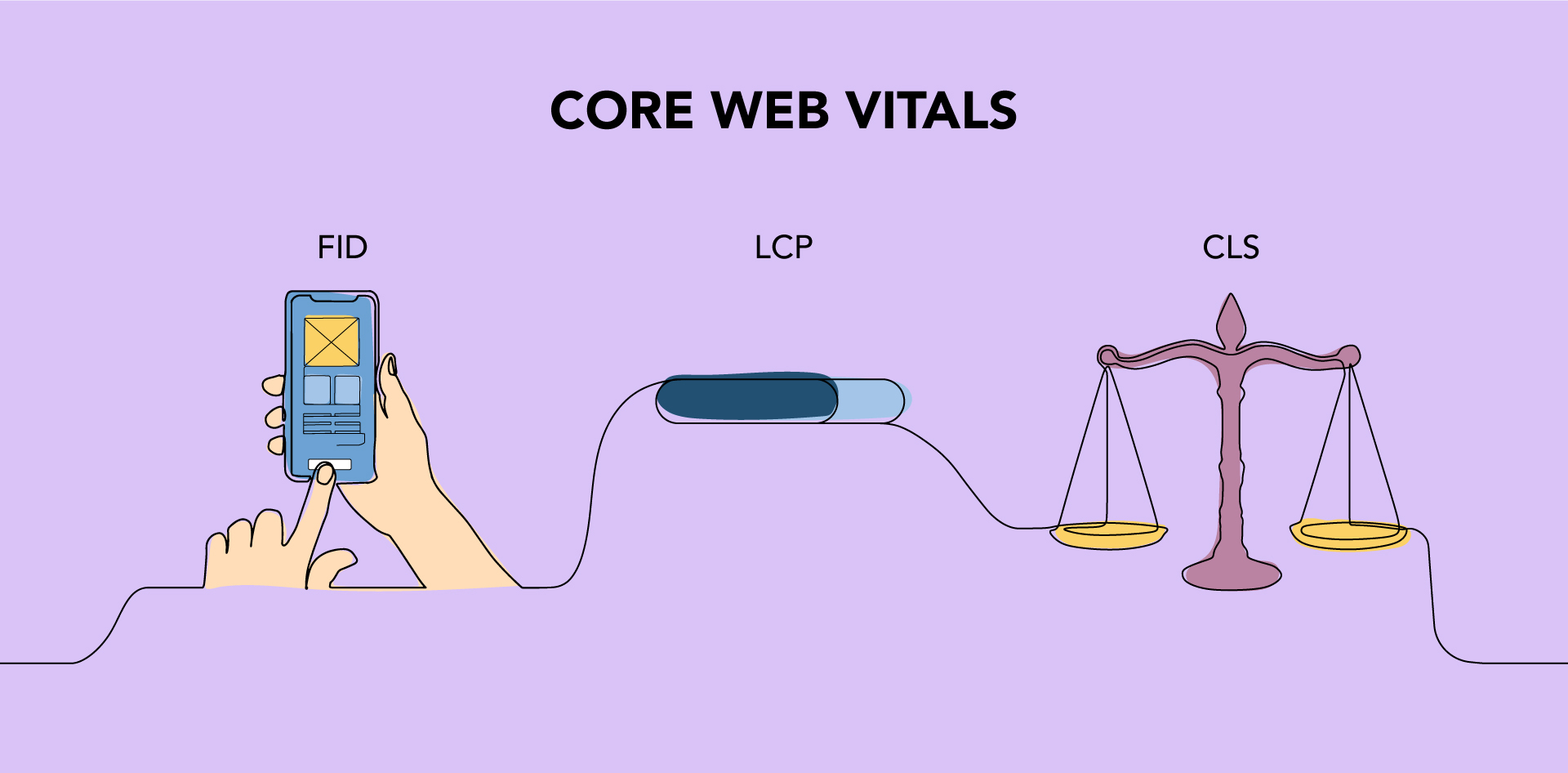
Website speed is a critical ranking factor for SEO and user experience. Use tools like Google PageSpeed Insights or GTmetrix to analyze your site’s load times. Optimize images by compressing them without sacrificing quality, leverage browser caching, and minimize the use of heavy scripts and plugins. A fast-loading website reduces bounce rates and keeps visitors engaged, which positively impacts your search rankings.
Implement Mobile-Friendly Design
With the majority of users searching on mobile devices, having a responsive, mobile-friendly website is essential. Ensure your site design adapts seamlessly to different screen sizes and that touch elements are easy to navigate. Use Google’s Mobile-Friendly Test tool to verify your site’s mobile usability. A mobile-optimized website improves user experience and is favored by Google’s algorithms for higher rankings.
Structured Data Markup for Local SEO
Implement schema markup, specifically LocalBusiness schema, to provide search engines with detailed information about your dental practice. Structured data helps enhance your search listings with rich snippets such as reviews, addresses, and appointment links. Proper schema markup improves your visibility in local search results and maps, making it easier for potential patients to find and choose your practice.
Optimize URL Structure and Site Architecture
Create clean, descriptive URLs that include relevant keywords and are easy to read. Ensure your site architecture is logical, with a clear hierarchy and internal linking structure that helps search engines crawl your pages efficiently. A well-organized website makes it easier for users to navigate and for search engines to index your content, boosting your overall SEO performance.
Secure Your Website with HTTPS
Security is a ranking factor, and having an SSL certificate (HTTPS) protects your website and builds trust with visitors. Ensure your entire site is secured, especially the booking and contact pages where patient data might be entered. Google favors secure websites, and displaying the secure padlock icon reassures users that their information is safe.
Optimize Metadata and Content
Ensure each page has unique, keyword-rich meta titles and descriptions that accurately reflect the content. Proper metadata improves click-through rates from search results. Additionally, create high-quality, informative content that addresses common patient questions and includes relevant keywords naturally. Well-optimized metadata and compelling content are key to ranking higher and attracting targeted traffic.
Ensure Proper Indexing and No Duplicate Content
Use robots.txt files and canonical tags to control which pages are indexed by search engines. Avoid duplicate content issues by consolidating similar pages and using canonical URLs. Proper indexing ensures that your most important pages appear in search results and prevents dilution of your site’s authority.
Regularly Monitor and Maintain Your SEO Performance
Continuously track your site’s SEO metrics using tools like Google Analytics and Search Console. Regularly update your website with fresh content, fix new technical issues, and adapt your SEO strategies based on performance data. Ongoing maintenance ensures your dental website remains optimized, competitive, and aligned with the latest SEO best practices.