






The 2026 Dental Website Design Guide
1. Mobile-First Imperative
In 2026, mobile devices account for over 70% of web traffic, making mobile-first design non-negotiable for dental websites. Patients often search for dentists on the go, so your site must perform flawlessly across all devices.
Key Practices:
- Responsive Frameworks: Use flexible grids and media queries to ensure seamless adaptation from smartphones to desktops. Prioritize touch-friendly elements like large buttons for appointment booking.
- Fast Loading Speeds: Optimize images and code to achieve sub-2-second load times. Tools like Google’s Core Web Vitals will heavily influence rankings.
- Voice Search Optimization: Integrate natural language processing to handle voice queries like “Find an emergency dentist near me.” Include conversational keywords in meta descriptions and content.
- Progressive Web Apps (PWAs): Enable offline functionality for key features, such as viewing office hours or contacting the practice, to enhance user convenience.
2. User Experience (UX) and Navigation: Guiding Patients Seamlessly
A dental website should feel intuitive, reducing friction for anxious patients seeking care. In 2026, UX design emphasizes empathy-driven interfaces that anticipate user needs.
Best Practices:
- Simplified Navigation: Implement a clean menu structure with mega-menus for services. Use breadcrumb navigation and a prominent search bar to help users find information quickly.
- Patient Journey Mapping: Design flows that mirror real-life patient experiences—from initial inquiry to booking. Include one-click appointment scheduling integrated with calendar apps.
- Accessibility Standards: Adhere to WCAG 2.1 AA guidelines, featuring high-contrast colors, alt text for images, and keyboard navigation. Incorporate screen reader compatibility for visually impaired users.
- Personalization with AI: Use AI-driven chatbots to offer tailored recommendations, such as suggesting services based on user location or past interactions, while maintaining HIPAA compliance.
3. Visual Design and Branding: Building Trust Through Aesthetics
Visuals play a crucial role in dentistry, where first impressions can alleviate fears. In 2026, design trends lean toward minimalist, calming aesthetics that reflect professionalism and warmth.
Essential Elements:
- Calming Color Palettes: Opt for soft blues, greens, and whites to evoke cleanliness and trust. Avoid harsh reds or yellows that might suggest urgency or discomfort.
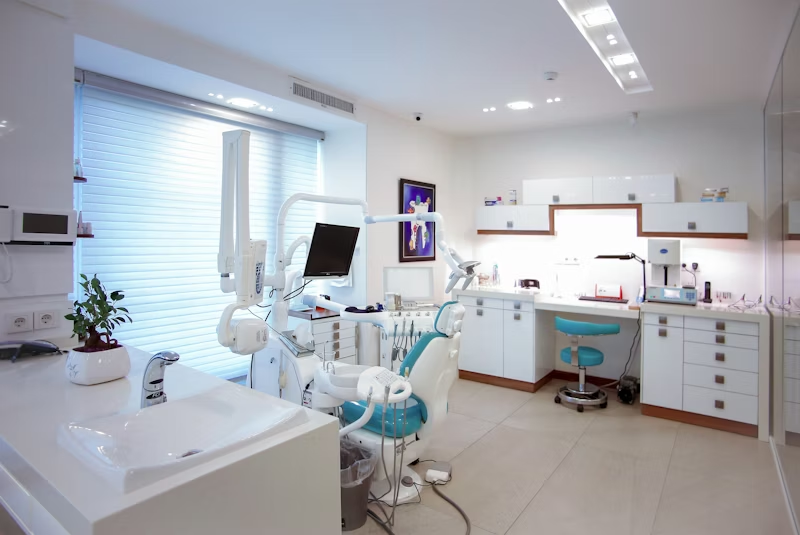
- High-Quality Imagery: Use authentic photos of your team, facility, and smiling patients (with consent). Incorporate 360-degree virtual tours or VR previews of the office to reduce visit anxiety.
- Typography and Readability: Choose sans-serif fonts like Open Sans for easy reading. Ensure text is legible at all sizes, with ample white space to prevent overwhelming users.
- Brand Consistency: Align your website with your logo, social media, and in-office branding. Include subtle animations, like gentle fades for service icons, to add engagement without distraction.

4. Content Strategy and SEO: Educating and Ranking Locally
Content remains king, but in 2026, it’s about delivering value through multimedia and AI-enhanced experiences. Focus on local SEO to attract patients in your service area.
Proven Strategies:
- Localized Content: Create neighborhood-specific pages with embedded maps and local keywords. Use schema markup for dental services to enhance Google My Business integration.
- Multimedia Integration: Blend videos, infographics, and interactive tools (e.g., symptom checkers) to explain procedures. AI-generated content summaries can personalize FAQs based on user queries.
- Blog and Educational Hubs: Maintain a regularly updated blog covering topics like “Dental Care Tips for Remote Workers in 2026.” Optimize for E-E-A-T (Experience, Expertise, Authoritativeness, Trustworthiness) by featuring doctor-authored content.
- Voice and Visual Search: Prepare for rising voice assistants by structuring content around question-based queries. Include image alt tags with descriptive, keyword-rich text.
5. Security and Privacy: Prioritizing Patient Data Protection
With increasing cyber threats, dental websites must prioritize security to protect sensitive patient information and comply with regulations like HIPAA.
Critical Practices:
- SSL Encryption: Ensure all pages use HTTPS with an EV certificate for visible trust signals.
- Data Minimization: Collect only necessary information via forms, with clear privacy policies. Implement two-factor authentication for patient portals.
- AI-Powered Security: Use machine learning tools to detect and prevent phishing attempts or unauthorized access.
- Transparent Policies: Display cookie consent banners and easy-to-find privacy statements, building patient confidence.
6. Integration of Emerging Technologies: Staying Ahead in 2026
To future-proof your dental website, incorporate technologies that enhance engagement and efficiency.
Innovative Features:
- AI Chatbots and Virtual Assistants: Deploy HIPAA-compliant bots for 24/7 appointment scheduling, answering common questions, and triaging emergencies.
- Telehealth Portals: Integrate video consultation booking directly from the site, with secure payment gateways.
- Sustainability Focus: Highlight eco-friendly practices, like digital records, to appeal to environmentally conscious patients.
- Augmented Reality (AR) Tools: Allow users to preview cosmetic procedures virtually, such as trying on veneers via their camera.
7. Performance Optimization and Analytics: Measuring Success
In 2026, data-driven design is essential for continuous improvement. Use analytics to refine your site based on real user behavior.
Optimization Tips:
- Core Web Vitals Monitoring: Regularly audit loading speeds, interactivity, and visual stability using tools like Google PageSpeed Insights.
- Heatmap Analysis: Track user interactions to identify high-engagement areas and optimize CTAs.
- Conversion Tracking: Set up goals for appointment bookings and form submissions, integrating with CRM systems for seamless follow-up.
- A/B Testing: Experiment with design elements, such as button colors or layouts, to boost conversions.
8. Legal and Ethical Considerations: Ensuring Compliance
Dental websites must navigate a complex landscape of regulations to avoid liabilities.
Must-Haves:
- Medical Disclaimers: Clearly state that online information is not a substitute for professional advice.
- ADA Compliance: Ensure the site is accessible to all, including those with disabilities, to meet legal standards.
- Review and Update Cycles: Regularly review content for accuracy and update policies to reflect new laws.
Conclusion: Designing for a Patient-First Future
In 2026, the best dental websites will blend empathy, technology, and strategic design to create memorable patient experiences that drive loyalty and growth. By prioritizing mobile responsiveness, AI integration, and local SEO, your practice can not only attract more patients but also position itself as a leader in digital healthcare. Start by auditing your current site against these practices, and consider partnering with web designers specializing in healthcare. Remember, a well-designed website is an investment in your practice’s future—regular updates and user feedback will ensure it evolves with patient expectations and technological advancements. If implemented effectively, these practices can lead to a 50-80% increase in online appointment bookings within the first year.